NHR Log 1: Crossing into the Carolinian Fringe
The first leg of the northern hardwood mega trip is officially underway. The route out of East Lansing was a direct, eastward line across the state to Port Huron, making for a relatively quick hop over the Blue Water Bridge into Sarnia. From there, it was straight into the heart of southwestern Ontario toward London. While the landscape and ecology just across the border feel familiar, this region sits firmly inside our project boundary, offering an ideal starting point for the field interviews beginning today.

This initial stop focuses entirely on the southwestern Ontario context. In Canadian forest literature and forestry education, this zone is widely designated as the Carolinian forest. The name does not imply a connection to the American Carolinas, but rather highlights a shared presence of southern hardwood species mixed into the stands. In this warmer climate zone encompassing London, Hamilton, and Niagara, you find species like shagbark hickory, tulip poplar, and sassafras. These species lack the cold resilience needed for northern latitudes, yet they remain critical components of Canada’s southernmost hardwood forests.
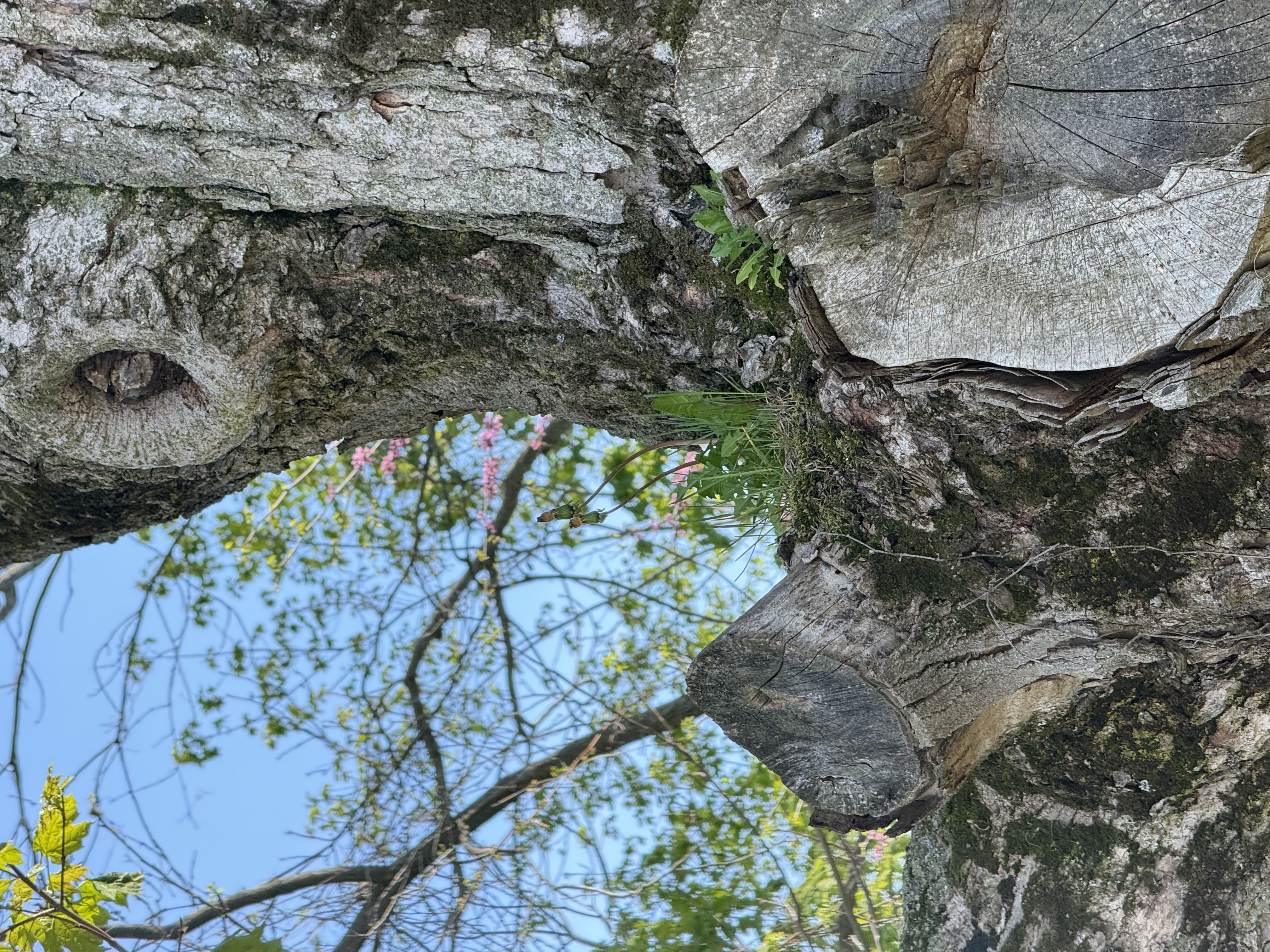
The presence of these southern species creates unique management considerations, which is precisely why Canadian systems classify this as a distinct forest zone. This designation does not mean the classic northern hardwoods are absent. Sugar maple, American beech, and yellow birch still anchor these systems, but they mix dynamically with southern types because of the moderated climate.
The geography of the region also shapes how these forests are managed. This area serves as the agricultural heart of Ontario, meaning the forest cover exists primarily as smaller, isolated woodlots rather than vast tracts. Despite this fragmentation, thousands of acres of contiguous forest remain across private holdings, all mapped precisely by provincial land cover products.
Because public Crown land is minimal in this landscape, forestry here operates quite differently than it does further north. Consulting foresters handle the majority of management tasks on private properties, working alongside county foresters who mediate between consultants, landowners, and logging operators. Local municipal and county governments handle the bulk of regulatory oversight, contrasting with the provincial administration typical of northern public lands.
Starting the trip here provides an essential look at the fringes of the northern hardwood forest. Engaging with private consultants and local officials in this highly populated, agricultural matrix offers a stark contrast to the industrial timberlands of Sudbury, Sault Ste. Marie, or North Bay that we will visit later. Evaluating how these managers advise landowners in smaller, fragmented stands helps us understand how climate shifts might manifest first in these southern margins, where southern species are already established.