NHR Log 2: Landscape Spatial Patterning and the Scaling of Deer Browse
The way forest fragments are arranged across an agricultural landscape largely determines whether young trees survive and keep the woods resilient over time. Walking through a massive, contiguous block of timber on this second day of fieldwork shows a thriving understory where tree seedlings are establishing well, even with high regional deer populations. Yesterday offered a completely different view: I walked through a small woodlot surrounded on all four sides by intensive crop fields, and the understory was completely hollow, without a single sugar maple seedling or sapling in sight. This stark contrast highlights how landscape context shapes these ecosystems, showing that small forest patches have an inherent vulnerability because they lack the physical area needed to absorb concentrated foraging pressure.
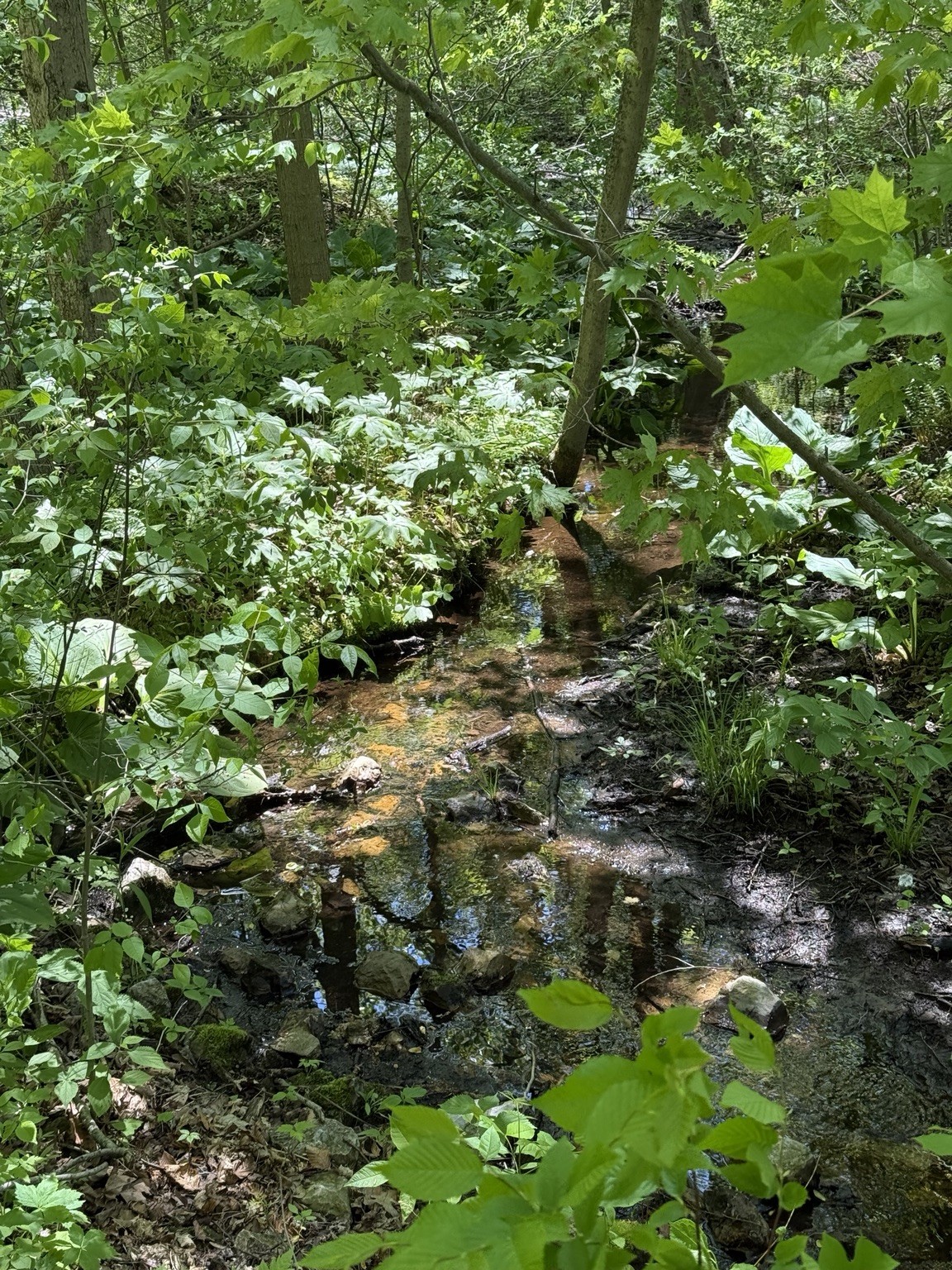
The surrounding agricultural matrix changes how deer forage and disconnects their population size from what the local woods can actually support. In highly fragmented areas across Southern Ontario and the Upper Midwest, crop fields provide rich food subsidies during the summer months. Deer feast on these crops all summer, but they shift their habits when the seasons turn, crowding into isolated woodlots for winter shelter. Research shows that winter deer densities in these small remnants can reach twenty-five to thirty-five individuals per square kilometer, leading to intense browsing on native spring wildflowers and woody seedlings (Augustine, 1997). Because external agricultural fields sustain these high populations, the winter browse pressure inside the woods stays intense, preventing sensitive tree species from growing past the seedling stage (Augustine, 1998). In contrast, larger, contiguous forests allow deer to spread out their foraging across a wide geography, which reduces localized damage.
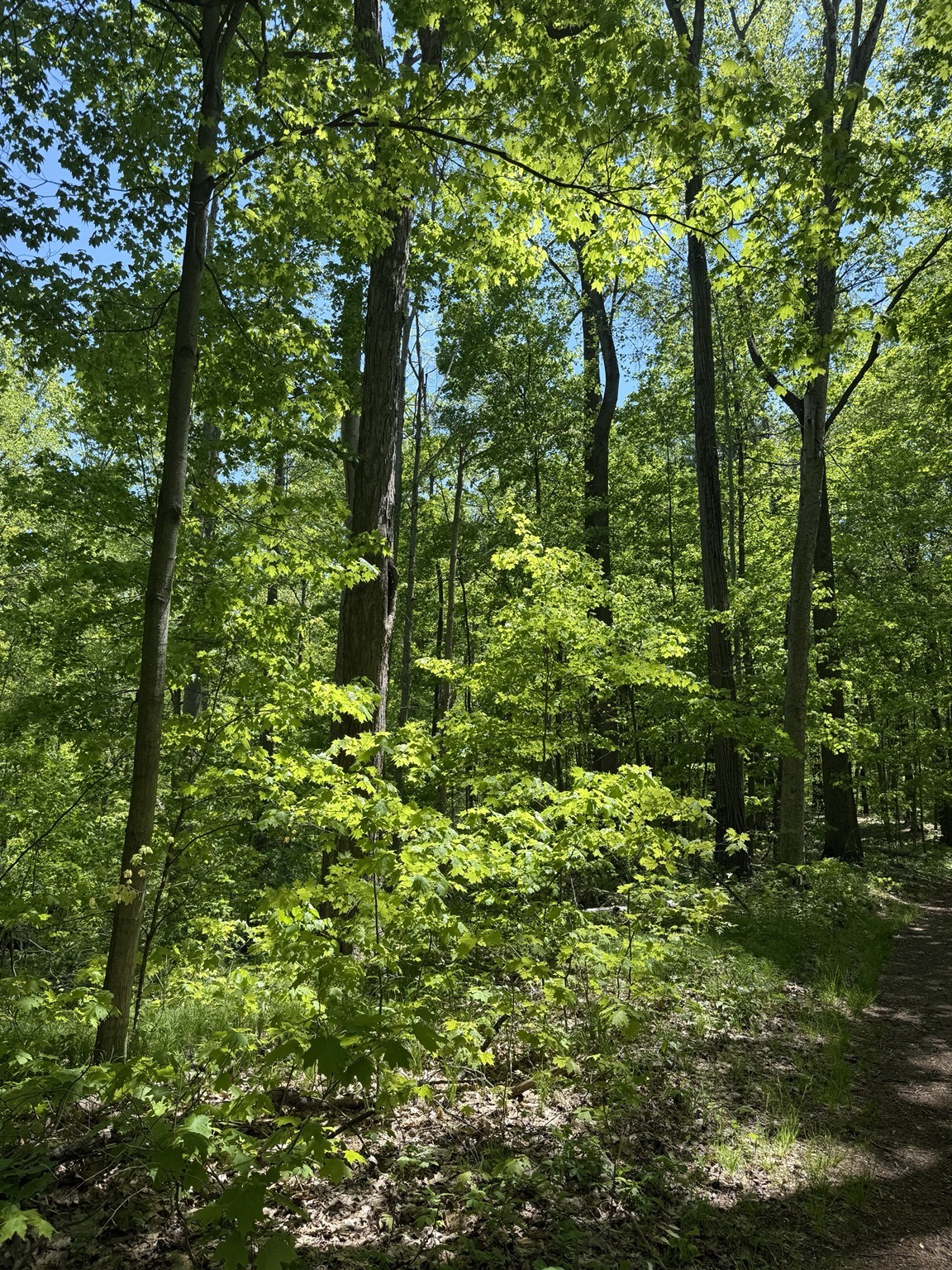
Edge effects in these isolated patches speed up the loss of understory structure and diversity. White-tailed deer naturally prefer forest edges for traveling and feeding, concentrating their impacts right along the boundaries where woodlots meet fields. Even moderate deer numbers can completely halt the growth of important young hardwoods like sugar maple and oak (Alverson et al., 1988). Long-term regional studies reveal that chronic deer browsing accounts for nearly half of all observed vegetation changes in Upper Midwest forests over the last several decades (Waller et al., 2014). This relentless pressure stunts seedling heights, strips away preferred browse species, and pushes the plant community toward unpalatable species like ferns and grasses (Horsley et al., 2003; Waller et al., 2014). As a result, fragmented woodlots often turn into open, park-like spaces under an old canopy, leaving no young trees to replace the overstory as it ages.
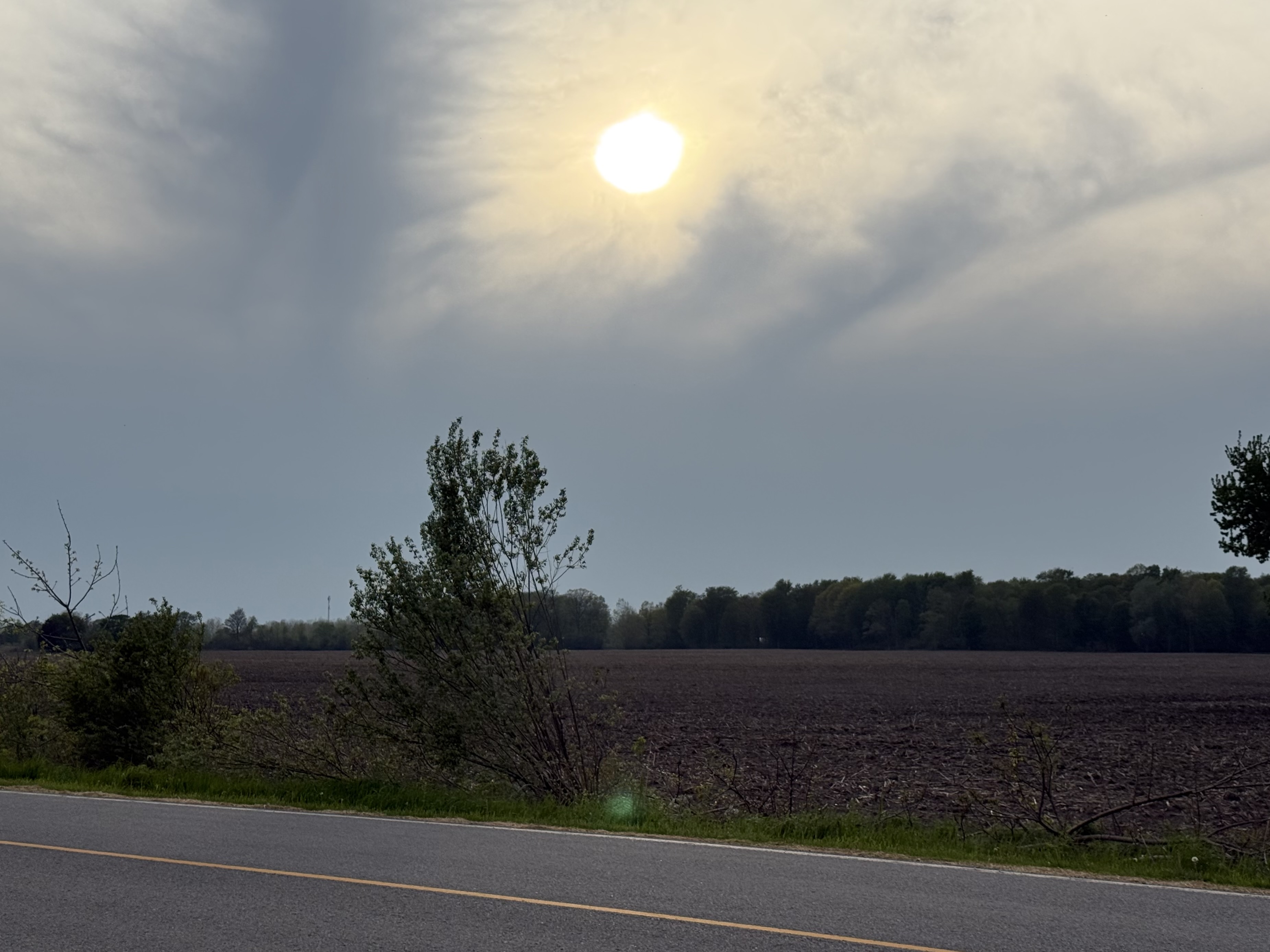
Field observations across Ontario and the Great Lakes states confirm these localized structural collapses. For example, an assessment of the Sifton Bog woodland in London, Ontario, describes an upland forest where everything from fifteen centimeters up to the deer line is completely stripped, leaving behind only invasive, browse-resistant species like buckthorn (Thames River Conservation Authority, 2011). This pattern matches what I am seeing on this trip, where small woodlots surrounded by fields show zero successful hardwood regeneration after a canopy disturbance. While the broad impacts of deer are well known, there is still a clear gap in formal literature when it comes to direct, landscape-scale comparisons that measure the exact relationship between patch size, connectivity, and browse severity. Gathering what we do know suggests that small forest patches embedded in farm country require active management, such as controlled hunting or physical fencing, if they are to keep their capacity to regenerate and remain resilient over the long term.
Works Cited
Alverson, W. S., Waller, D. M., & Solheim, S. L. (1988). Forests too deer: Edge effects in northern Wisconsin. Conservation Biology, 2(4), 348-358.
Augustine, D. J. (1997). Grazing patterns and impacts of white-tailed deer in a fragmented forest ecosystem. Minnesota Department of Natural Resources Report.
Augustine, D. J. (1998). Grazing patterns and impacts of white-tailed deer in a fragmented forest ecosystem. Technical Report.
Horsley, S. B., Stout, S. L., & deCalesta, D. S. (2003). White-tailed deer impact on the regeneration of eastern North American forests. General Technical Report, SRS-24.
Thames River Conservation Authority. (2011). Sifton Bog Deer Management Report.
Waller, D. M., Mudrak, E. L., Alverson, W. S., & Rogers, D. A. (2014). Long-term regional shifts in plant community composition are largely explained by local deer impact experiments. PLOS ONE, 9(12), e115843.