NHR Log 5: What Does an Experimental Forest Make?
Formal experimental forests, such as those managed by the US Forest Service, university research stations, and institutional partners, serve as essential baselines for silvicultural science. However, the boundaries of applied innovation extend far beyond these institutional properties. Forestry operates fundamentally as both an art and a science, meaning that meaningful experimentation occurs daily within private woodlots and backyards across North America. Private landowners and consulting foresters routinely engage in adaptive management: they tinker with established practices to resolve localized ecological challenges. This decentralized experimentation contributes directly to the broader professional knowledge base, demonstrating that small-scale trials are vital components of regional forest resilience.
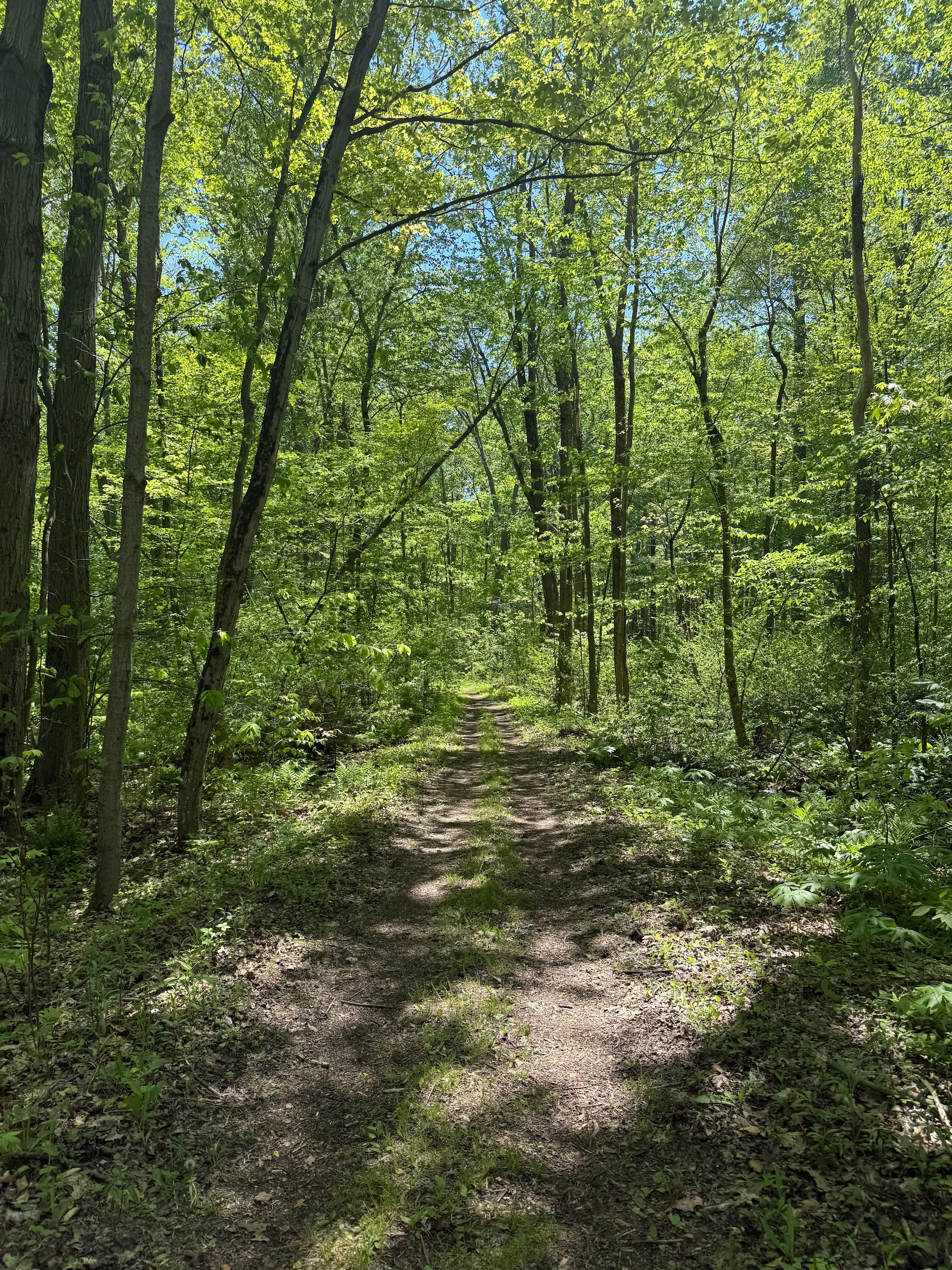
The practical value of this decentralized approach became clear during a recent interview with an Ontario woodlot owner and forestry consultant, as well as with other individual woodland owners. Their decades of experience illustrate how private management can function in parallel as a dynamic laboratory for improving northern hardwood conditions. In one current project, he is managing the conversion of marginal agricultural land back into a functioning forest ecosystem. By selecting a highly diverse species composition and intentionally incorporating native pines, he is establishing a resilient mixed-wood system. Additionally, he uses existing stands to test various release treatments: these interventions provide light and space for specific suppressed species, ensuring their successful recruitment into the next canopy cohort.
Executing these management trials requires an extraordinary degree of patience, a trait that stands in stark contrast to modern agronomic timelines. In the current 2026 agricultural landscape, agronomic science routinely implements multiple crop rotations within a single field season, leveraging rapid genetic and technical advancements to provide immediate feedback. Silvicultural experimentation offers no such immediacy: a single trial requires decades of observation before its outcomes can be fully evaluated. Landowners and consultants who commit to these long-term experiments deserve substantial credit, for they bear the financial and physical risks of testing novel ideas. Their willingness to wait decades for results produces the empirical proof of concept necessary to validate new management paradigms for northern hardwoods.
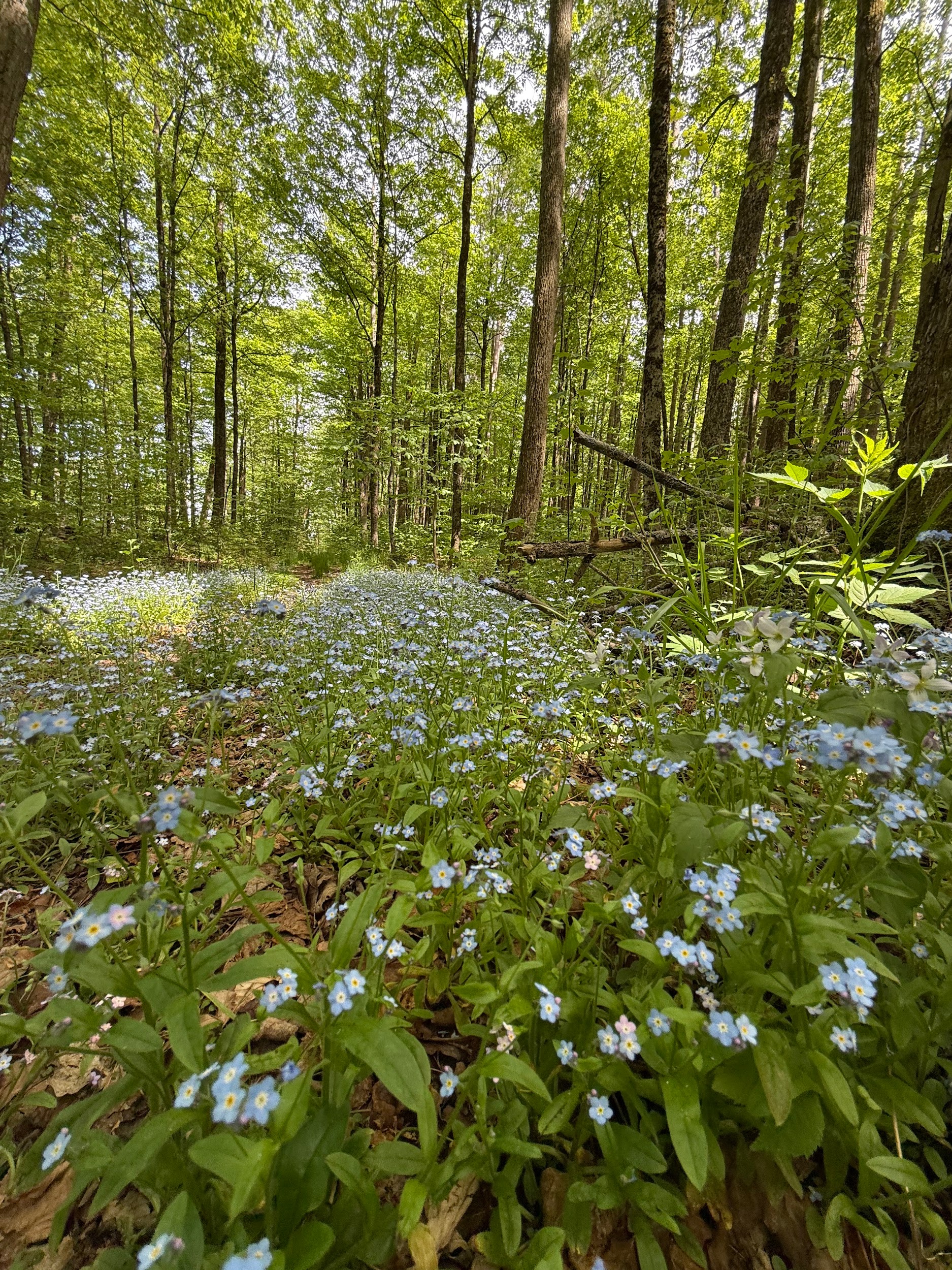
This long-term commitment is increasingly urgent as northern forests face accelerating ecological stressors. While Dutch elm disease and emerald ash borer reshaped forest structures in previous decades, contemporary managers face an expanding suite of pathogens, including the steady encroachment of hemlock woolly adelgid. Static management plans are insufficient against these shifting threats: instead, the forestry profession requires a high level of ecological nimbleness. Cultivating this adaptability depends entirely on participatory forest improvement, where private landowners collaborate directly with practitioners to implement trial treatments. These localized experiments generate the diverse, real-world data needed to navigate novel pest pressures, ensuring that future generations of northern hardwoods can thrive under changing environmental conditions.